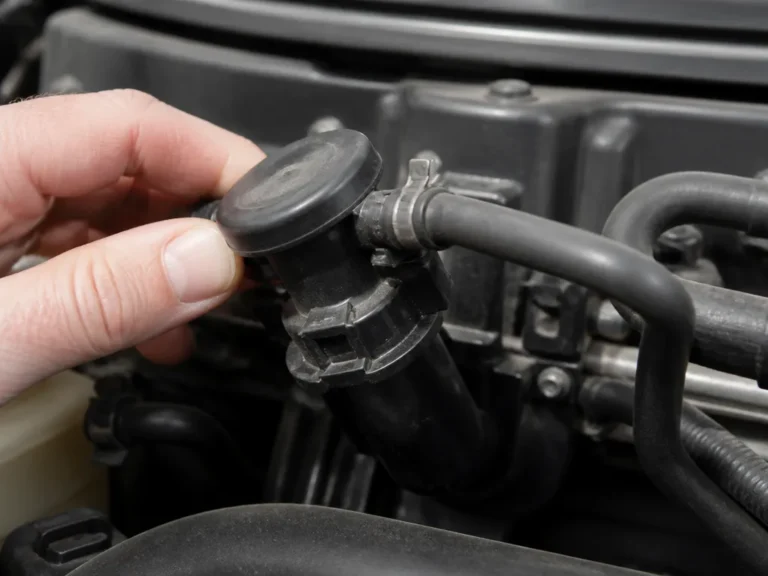
Can A O2 Sensor Cause A Car Not To Start?

An oxygen (O2) sensor can cause rough running, poor fuel economy, and warning lights, but it rarely prevents an engine from starting. Most cars use crankshaft position and cam/crank signals to start the engine, then switch to O2-sensor feedback after it runs. Certain failures can trigger limp mode or confusing fuel trims that feel like a “no start,” but the likely cause depends on what happens when you turn the key.
Can an O2 sensor cause a car not to start? Usually, no. An O2 sensor fine-tunes fuel after start-up, so a failed sensor typically causes drivability issues and emissions codes – often in the P0131-P0167 series – rather than a true crank/no-start. If your car will not start at all, check ignition, fuel delivery, battery and grounds, and crank sensor signals first.
What an O2 Sensor Can and Cannot Stop
- Starting logic comes first. Crank and cam signals determine starting, while O2 feedback usually begins after the engine runs.
- Most bad O2 sensors set codes. You typically see O2-related trouble codes and performance symptoms, not a complete no-start.
- Rare exceptions exist. Some sensor faults can push fueling into a protective strategy, making starting harder.
- The symptoms provide clues. Rough idle, hesitation, and a check-engine light point toward O2 issues; a completely dead engine usually points elsewhere.
- Live data helps confirm the fault. Compare O2 behavior with expected switching, and check freeze-frame and pending codes.
- Use the right diagnostic order. Verify fuel pressure, spark, and crank sensor readings before replacing an O2 sensor.
Can an O2 Sensor Cause a Car Not to Start?
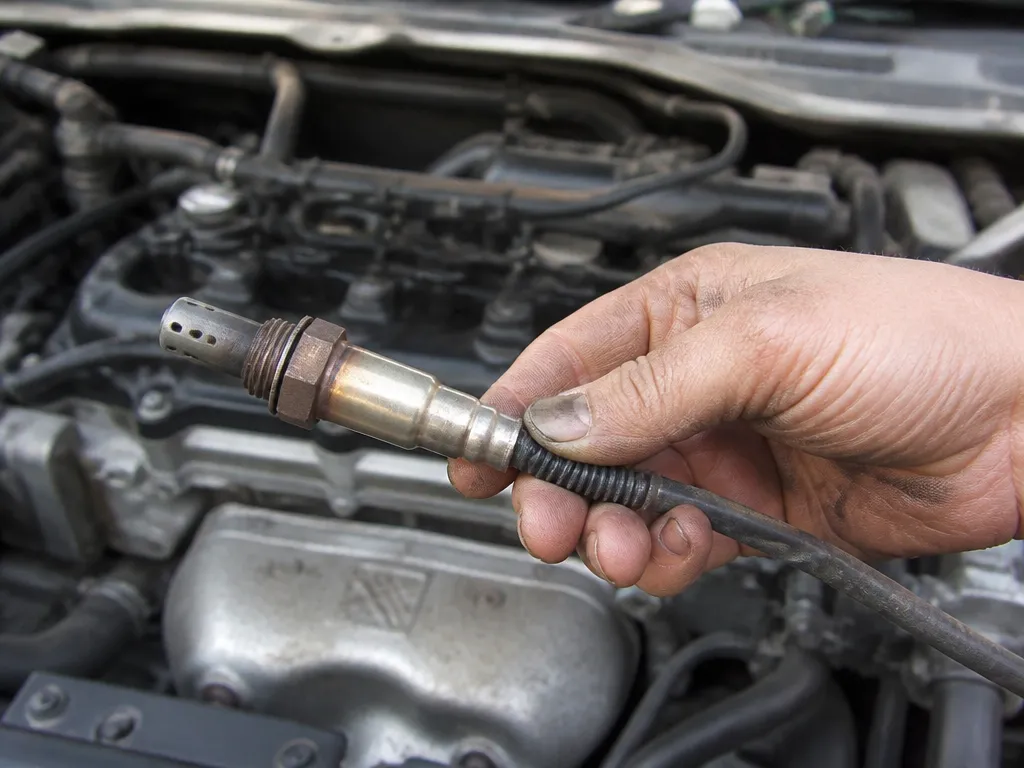
A faulty O2 sensor usually does not stop a car from starting. On modern engines, the ECU uses engine speed from the crankshaft position sensor and, in many cases, cam position to determine when to inject fuel during start-up. O2 sensors mainly help correct the air-fuel ratio after the engine is running, so their failure usually creates drivability and emissions problems.
An oxygen sensor fault can still be connected to a no-start in unusual situations. A damaged wiring harness might short the sensor circuit and affect ECU power or ground. A broader electrical problem might also trigger several codes at once. Those cases involve more than a failed sensing element.
If the engine cranks normally but will not fire, fuel pressure, ignition, the immobilizer, or a crankshaft or camshaft position sensor is more likely than the O2 sensor.
How O2 Sensors Affect Fuel and Spark
O2 sensors measure oxygen in the exhaust so the ECU can keep the air-fuel ratio near its target. Once the engine enters closed-loop control, the ECU watches the O2 signal and adjusts injector pulse width to correct lean or rich conditions. That adjustment can affect idle quality and throttle response, but it is not the primary trigger for spark timing and injector firing during initial cranking.
Starting fuel and spark rely mostly on base maps and inputs from the crankshaft position, coolant temperature, intake air temperature, and sometimes throttle position sensors. The ECU also uses a starting-enrichment strategy. Even when the fuel mixture is wrong, the O2 sensor is usually not the first cause of a no-start.
After the engine warms up, O2 feedback improves fueling accuracy. That is why a bad sensor often causes idle surging, sluggish acceleration, hesitation, or stalling after the engine catches.
A sensor stuck reporting a constant lean or rich condition can make the ECU keep correcting fuel in the wrong direction. The result may be hesitation, stalling, or extended cranking until the system stabilizes. In most cases, the engine still starts but runs poorly, and other symptoms or codes appear.
Some engines also use O2 sensors for strategy updates, catalyst monitoring, and readiness tests. Those functions can trigger a check-engine light and specific diagnostic codes, but they do not make the sensor a primary starting requirement.
O2 Sensor Symptoms During Start-Up
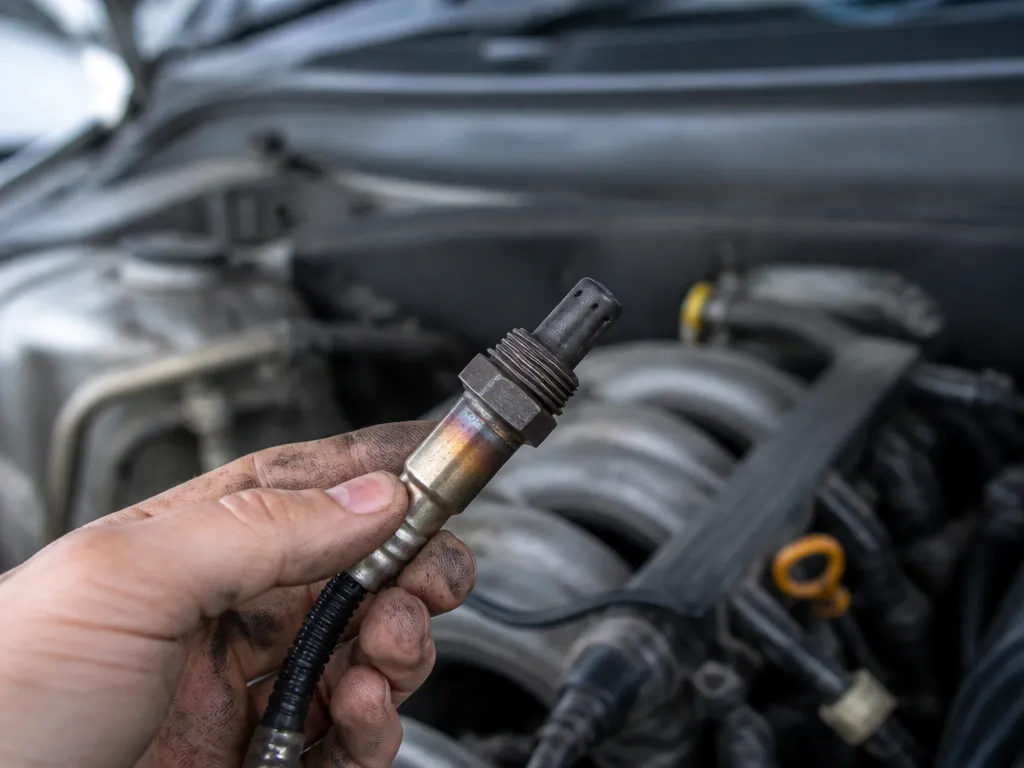
A failed O2 sensor usually causes trouble after the engine starts. You may notice a rough idle, unstable fueling, engine speed that hunts, stumbling when you release the accelerator, or a mixture rich or lean enough to trigger emissions-related trouble codes.
Common signs include:
- A check-engine light that appears soon after driving
- Hesitation immediately after a cold start
- Frequent emissions-readiness resets
- Higher fuel consumption
- A slow, stuck, or missing O2 signal
A true no-start behaves differently. If the starter spins the engine normally but it never fires, suspect a lack of spark, insufficient fuel pressure, a crankshaft position sensor problem, or a security or immobilizer fault. If the engine turns over slowly, low battery voltage is often the cause. Low voltage can also affect sensor readings and ECU stability.
A useful rule is simple: O2 sensors are most likely when the engine starts but runs poorly. They are least likely when the engine produces no combustion at all.
Codes That Point to O2 Sensor Problems
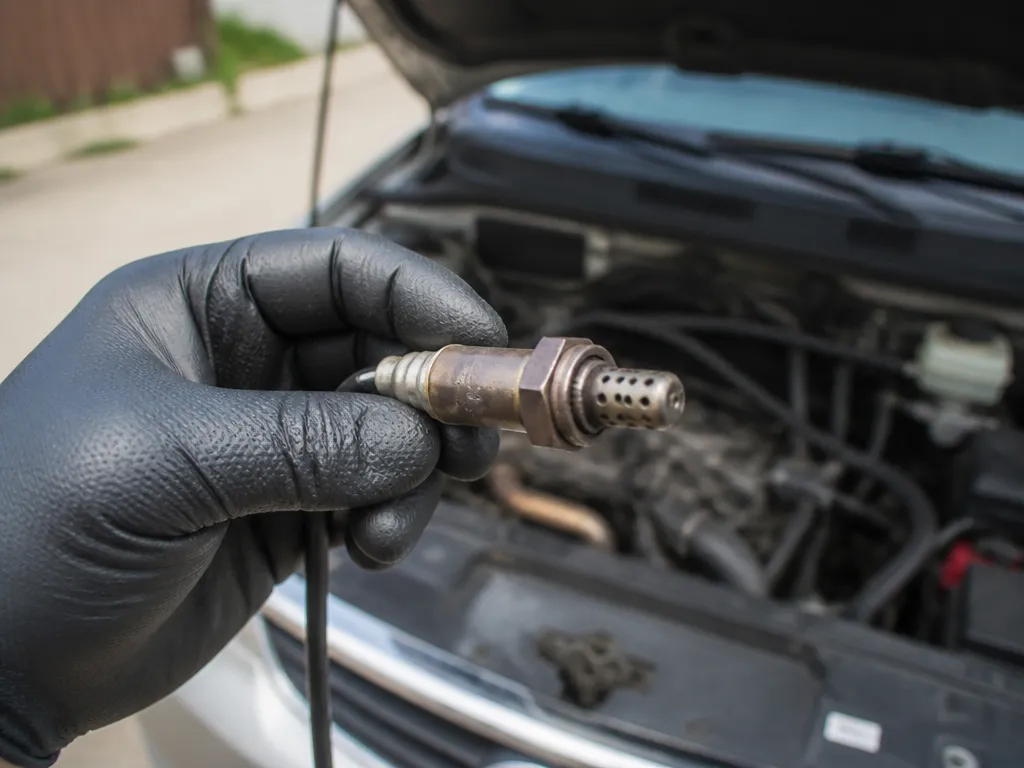
O2 sensor problems usually set codes for sensor circuits, heater performance, slow response, or out-of-range readings. You may see codes in the P013X, P014X, P015X, or P016X families, with the exact code identifying the bank and sensor position. Heater and response-time variants depend on the vehicle.
Common code patterns include:
- Heater circuit or heater-performance codes – The sensor heats too slowly or not at all, which can delay proper closed-loop operation once the engine warms up.
- Slow-response codes – The sensor voltage changes too slowly, which can contribute to fuel-trimming problems and drivability complaints.
- Out-of-range codes – The ECU sees a constant lean or rich condition that it cannot correct.
You may also see P0420/P0430, which indicate catalyst efficiency below the threshold. Those codes do not automatically mean the O2 sensor is bad. A worn catalyst or an exhaust leak can produce similar results, and replacing the sensor without checking its switching behavior can waste money.
Code context matters when diagnosing a no-start. Multiple codes deserve a priority check, especially crankshaft position, camshaft position, fuel-pump control, or misfire codes appearing when the engine never produces combustion.
Tests That Separate an O2 Fault From a No-Start
A scan tool and a few targeted checks can show whether the O2 sensor is involved. Record the freeze-frame data from the moment the code set, then watch live sensor readings while the engine idles and warms up.
Start with the scanner:
- Check whether the engine reaches closed-loop operation. A failed O2 heater or signal may leave the ECU in open loop.
- Watch for switching behavior. A front, or upstream, narrowband O2 sensor should typically fluctuate as the ECU trims fuel, especially at steady idle after warm-up.
- Check fuel trims. If short-term and long-term fuel trims are pegged and remain there, the ECU may be responding to a real air leak or fuel problem. The O2 sensor may be identifying the problem rather than causing it.
Then inspect the physical and electrical parts:
- Check O2 wiring and connectors. Oil contamination, broken insulation, and loose plugs can cause intermittent “no signal” conditions.
- Look for exhaust leaks upstream of the sensor. An exhaust leak can draw in fresh air and make the sensor report a lean mixture when fueling is actually correct.
- Compare the sensor with the other bank. If both upstream O2 sensors behave similarly, look for a wiring, ground, or exhaust problem upstream.
O2 readings taken while the engine is cranking may not settle the question. If the engine never starts, the ECU may not enter the operating mode in which O2 feedback affects fueling. In that case, shift the diagnosis to spark, fuel pressure, and crank signal integrity.
Common Causes of a Cranks-but-Won’t-Start Problem
A car that cranks but will not start usually has a problem with air or fuel delivery, ignition, engine-position signals, security, battery voltage, or mechanical timing. O2 sensors influence mixture trimming after start-up, so they are usually downstream of these failures.
Common no-start causes include:
- Weak battery or poor grounds. Low voltage can disrupt ECU operation and injector or spark control even if the starter turns.
- Fuel delivery problems. A failing fuel pump, clogged filter, or leaking pressure regulator can make starting impossible.
- Spark problems. A bad coil, failing ignition module, worn plugs, or moisture can prevent combustion.
- Crankshaft or camshaft position sensor faults. Without reliable engine-position data, the ECU may not inject fuel correctly or fire the coils.
- Immobilizer or security faults. Some vehicles disable ignition or fuel when they do not recognize the key.
- Timing belt, timing chain, or mechanical problems. Incorrect engine timing can prevent starting even when electrical signals appear normal.
A failed crankshaft position sensor is a classic “cranks but won’t start” cause. It can also trigger multiple codes, including misfire or other sensor-related faults that distract from the real problem. In that situation, the O2 sensor is collateral damage or a secondary clue, not the root cause.
The Right Diagnostic Order
An efficient diagnosis checks the highest-probability no-start causes before replacing an O2 sensor.
- Confirm that the engine cranks at normal speed. If it cranks slowly, charge or test the battery and inspect the grounds first.
- Check spark at the cylinders or ignition output. If there is no spark during cranking, skip the O2 sensor and diagnose the ignition system.
- Verify fuel pressure and injector pulse. Without fuel delivery, no mixture strategy can make the engine start.
- Inspect crankshaft and camshaft position signals. If the ECU loses engine-position data, it may not command the correct fuel or spark.
- Evaluate O2 codes and live data after combustion attempts succeed. Once the engine starts but runs poorly, O2 sensor testing becomes relevant.
If the engine never catches, treat the O2 sensor as a low-probability cause unless testing reveals a wiring, power, or ground fault that affects more than the sensor. If the engine starts but immediately runs rough and the O2 circuit codes match the symptoms, move O2 testing higher on the list.
FAQ
Can an O2 sensor cause a car not to start?
Usually not. Oxygen sensors mainly affect closed-loop fuel trimming after the engine runs, while a true no-start usually involves another system.
How can I tell if an O2 sensor is related to the no-start?
Check the symptoms and codes. If the engine starts and runs rough while the only codes are O2-related, the sensor could be involved. Use a scan tool to check heater faults, O2 voltage switching, and fuel trims once the engine reaches warm operation.
What code usually shows an O2 sensor problem?
O2 sensor failures commonly set codes in the P013X, P014X, P015X, or P016X ranges, including heater and slow-response variants. Catalyst-related codes such as P0420 or P0430 can also appear, but they do not automatically mean the O2 sensor is bad. Check sensor switching and inspect for exhaust leaks before replacing parts.
How long does it take to test an O2 sensor?
You can often get a useful answer in 10 to 20 minutes with a scan tool. Start the engine, let it warm up, and watch O2 sensor behavior and fuel trims at idle. If the heater is weak or the signal is stuck, live data will often reveal the problem quickly.
What is a common mistake when diagnosing a no-start with O2 codes?
Replacing the O2 sensor first is the common mistake. O2 codes can appear because the ECU is correcting a mixture problem caused by low fuel pressure, ignition misfires, or an exhaust leak.

- Top 10 Best Helmet For Xpulse 200 2026 - October 5, 2026
- Top 10 Best Helmet For Xsr 155 2026 - October 5, 2026
- Top 10 Best Helmet For Xc Mtb 2026 - October 5, 2026