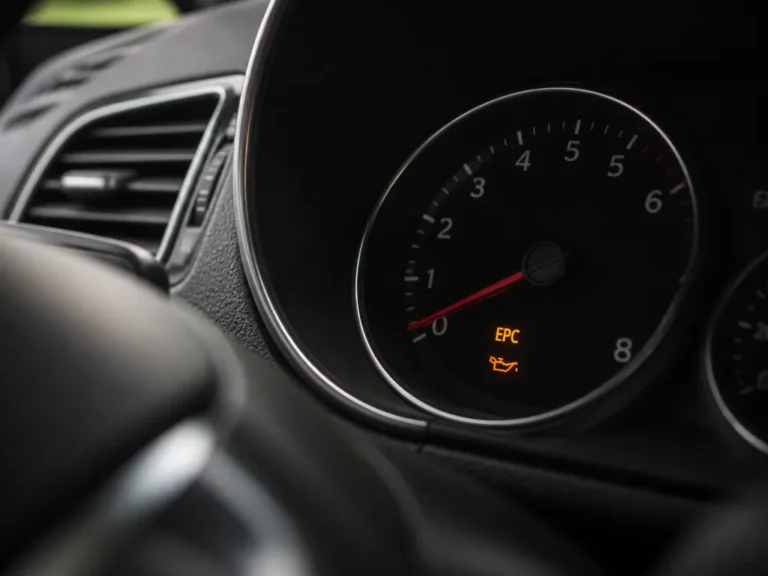
Car Jerking When Accelerating Check Engine Light: Car Jerking

Car jerking when accelerating, plus a check engine light, usually means the engine is losing smooth combustion or the proper air-and-fuel balance under load. The car may surge, hesitate, buck, or feel like it is “skipping” when you press the accelerator.
The most common causes are engine misfires, ignition problems, fuel delivery issues, vacuum leaks, and throttle or airflow control faults. Start by scanning for diagnostic trouble codes (DTCs), then run targeted checks for vacuum leaks, throttle cleanliness, fuel pressure, and misfire counts. That approach is more reliable than replacing parts based on the symptom alone.
Key Takeaways
- Scan codes first. Codes indicate whether the jerk involves ignition, fuel, air, or emissions control.
- Look for misfires. Misfire counts under load often match jerking during acceleration.
- Check air leaks. Vacuum leaks and dirty throttle bodies can disrupt the transition from idle to throttle.
- Verify fuel pressure. A weak pump, clogged filter, or failing regulator can cause hesitation and surging.
- Test spark components. Worn plugs or an ignition coil that breaks down under load can trigger jerks and misfires.
- Verify the repair. Clear codes, road test the car, and check for the same DTCs before calling it fixed.
Car Jerking When Accelerating With Check Engine Light: Causes
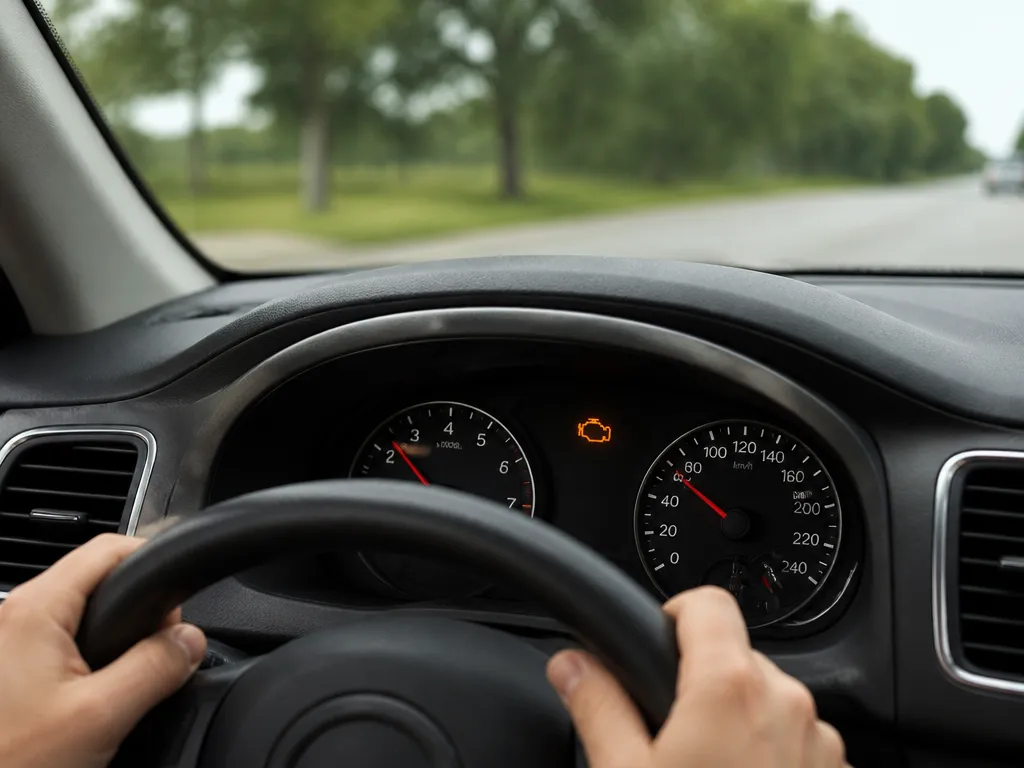
Car jerking under acceleration is usually a combustion or engine-control problem. The engine must deliver the right amount of air, fuel, and spark at the correct moment. Under load, a small fault can become obvious as hesitation, bucking, or shuddering.
Most causes fit into five groups:
- Airflow control problems
- Vacuum leaks
- Fuel delivery problems
- Ignition and spark problems, including misfires
- Sensor issues that cause the computer to calculate the wrong engine load
More than one fault can exist at the same time, but the trouble codes and live data usually identify the system that deserves attention first.
Pay attention to three details because they narrow the diagnosis quickly:
- When it jerks – only at takeoff, during steady acceleration, or only as the RPM climbs
- How it feels – a loss of power usually points toward fuel, air, or spark, while repeated surging can indicate a control or mapping problem
- Which cylinder misfires – a cylinder-specific misfire code points toward that cylinder’s ignition or fuel system
Treat severe jerking as an urgent drivability problem, especially if the check engine light is flashing or the loss of power is getting worse. A serious misfire can send unburned fuel into the exhaust and damage the catalytic converter if you continue driving for long periods.
How Fault Codes Explain Jerking Under Load
Fault codes show what the engine computer detected, but they do not always identify the failed part. Scan for both the type of fault and the conditions under which it occurred. A code that appears during acceleration is more relevant to this symptom than one caused by a separate, one-time event.
Common code patterns include:

- Misfire codes – P0300 indicates a random or multiple-cylinder misfire, while P0301-P030x identify a specific cylinder. These codes often correlate directly with jerking during acceleration.
- Lean or fuel trim codes – These can point to an air leak, low fuel pressure, a restricted injector, or an airflow sensor that is reporting incorrectly.
- Throttle position or throttle control codes – These may cause rough or delayed transitions when you press the accelerator.
- MAP or MAF sensor codes – Incorrect load calculations can make the computer deliver the wrong fuel mixture or ignition timing when you add throttle.
Codes that mention misfire, fuel pressure or fuel system, airflow (MAF/MAP), throttle, or oxygen sensors and fuel trims are the most likely to relate to jerking.
Live data can show whether the fault is still occurring:
- Watch misfire counters while driving.
- Watch short-term and long-term fuel trims to see whether the ECU is constantly adding or removing fuel.
- Watch MAF (g/s) or MAP (kPa) readings during a quick throttle increase.
- Compare the data before and during the jerk.
Some codes set after a one-time event, such as a spark breakdown. Do not read the codes once and assume the problem is solved. Clear them, reproduce the symptom under safe conditions, and confirm that the same code or abnormal live data returns.
Vacuum Leaks and Dirty Throttle Bodies That Trigger Jerking
A vacuum leak allows unmetered air into the engine. Because the ECU does not know that air entered, its fuel and ignition calculations become inaccurate. The problem can become more noticeable during acceleration, when airflow changes quickly and the engine needs a precise mixture.
Common leak points include:

- Cracked vacuum hoses
- Loose intake connections
- A failing PCV valve
- Intake manifold gasket problems
A dirty throttle body creates a different problem. Carbon deposits around the throttle plate and passages can make airflow control inconsistent at low to mid throttle. The transition from idle to acceleration may then feel jerky, particularly when you move the pedal gradually.
Practical checks include:
- Inspect and gently move vacuum hoses and intake connections while the engine idles. Look for cracks, loose clamps, or disconnected lines.
- Listen for hissing around the intake and vacuum hoses.
- Inspect the throttle body for heavy carbon deposits.
- Clean the throttle body only according to the vehicle’s procedure. Some throttle systems require a relearn after cleaning.
Air and throttle problems often produce these clues:
- Rough or fluctuating idle
- Positive fuel trims because the ECU is adding fuel to compensate for unmetered air
- Jerking at part throttle, where the engine must make precise airflow adjustments
- A hesitation that appears during the transition from idle to acceleration
A small cracked vacuum line may cause little obvious trouble at idle but create jerking as soon as you accelerate. The ECU tries to correct the mixture, and the correction may overshoot as engine load changes.
Avoid spraying cleaner randomly around the engine and treating any temporary change as a repair. If the throttle body is dirty, clean it correctly. If a hose or gasket is leaking, replace the failed component. Cleaning cannot fix an air leak.
Fuel Delivery Problems That Cause Acceleration Hesitation
The engine needs a rapid increase in fuel when you press the accelerator. If fuel pressure falls, the pump is weak, an injector is restricted, or the regulator is failing, the engine may run lean and stumble under load. The sensation can resemble an ignition misfire.
A lean condition does not automatically prove that the fuel system is at fault. Incorrect MAF or MAP readings can also make the ECU deliver too little fuel. Use the code pattern and a pressure test to separate low fuel supply from incorrect engine-load measurement.
Fuel delivery becomes more likely when:
- Fuel trims consistently show the ECU adding fuel.
- Misfire codes occur under load.
- Jerking gets worse during longer pulls or at higher RPM, when fuel demand is highest.
- The car pauses or stutters immediately after you increase throttle.
- The engine loses power during acceleration but runs more normally at idle.
A proper diagnosis uses a fuel-pressure gauge and compares the reading with the manufacturer’s specification at key-on and while the engine is running. Testing may also need to include the load conditions listed in the service information.
If pressure is low, possible causes include:
- A failing fuel pump
- A clogged filter, if equipped
- A failing pressure regulator, including an external or vacuum-referenced regulator
- Low voltage at the pump caused by wiring, relay, or connection problems
Normal fuel pressure does not eliminate the fuel system as a possibility. A clogged injector or failing injector driver can still cause a cylinder-specific misfire. Match the injector tests with the cylinder data and the codes rather than assuming the problem is general fuel starvation.
Misfires, Ignition Coils, and Spark Plug Problems
Misfires are one of the most direct causes of jerking during acceleration. Incomplete combustion produces uneven torque, and the effect becomes obvious when cylinder demand rises under load.
Spark plugs wear over time. Their gap can increase, and the insulator can crack. Ignition coils can also fail when they become hot or when cylinder voltage demand rises. A coil that appears to work at idle may break down during acceleration, which is why the problem often appears only when you press the pedal.
Clues that point toward ignition include:
- P0300 – random or multiple-cylinder misfire
- P0301-P030x – a specific-cylinder misfire
- A stutter or buck that follows an increase in RPM
- Fuel trims that swing because the misfire changes the oxygen content of the exhaust
Use the cylinder data to guide testing:
- If one cylinder has a specific misfire code, begin with that cylinder.
- If several cylinders misfire, consider plug wear across the engine, coils shared among cylinders, or an ignition-control problem.
- On a coil-on-plug system, swap the suspect coil with a coil from another cylinder. If the misfire moves, the coil is a strong suspect.
- Inspect the spark plug and wiring before assuming the coil is the only failed part.
Replace parts based on condition and test results. Worn or oil-fouled plugs may need replacement, but oil fouling also requires attention to the cause. Replacing a coil while leaving a damaged spark plug in place can allow the misfire to continue or cause the replacement coil to fail again.
Diagnose Acceleration Jerking With a Scan Tool and Targeted Tests
Diagnose the symptom by connecting the jerk to a specific system. Codes, freeze-frame data, live readings, and a few focused tests are more useful than replacing parts in a fixed order.
Use this workflow:
- Scan for codes – Record all DTCs and freeze-frame data, especially the RPM and load when the fault occurred.
- Check for active misfires – Watch misfire counters and see which cylinders increment while the jerk is occurring.
- Inspect the basics – Check for loose intake connections, torn vacuum lines, disconnected hoses, and visibly worn spark plug boots or wiring.
- Test fuel pressure – Verify that pressure meets specification under conditions that match the symptom.
- Measure airflow readings – Watch MAF or MAP behavior during throttle changes and look for dropouts or spikes.
- Inspect the throttle body – Check for contamination and confirm that throttle-position readings track smoothly with pedal movement.
- Confirm ignition condition – Test or swap coils in suspected cylinders, then inspect the spark plugs for wear and fouling.
A scan tool does more than read codes. Freeze-frame data shows when the ECU detected the fault, while live data shows whether the fault is still happening. Misfire counters and fuel-trim behavior can quickly separate an ignition problem from an air or fuel problem.
Reproduce the issue safely with gentle throttle pulls if they are enough to trigger it. Do not create a dangerous situation in traffic. If the jerk is sporadic, record what happened immediately beforehand, including the engine temperature, RPM, throttle position, road speed, and whether the car was climbing or carrying a load.
Repair the Confirmed Fault and Verify the Fix
A repair is complete only when the original symptom and fault data are gone under the same conditions that caused the problem. Match the repair to the test result:
- If misfire counters rise in one cylinder, repair that cylinder’s ignition or fuel delivery system. The cause may be a coil, plug, injector wiring, or injector.
- If fuel pressure is low, address the pump, filter, regulator, or wiring problem and confirm that pressure remains within specification.
- If a vacuum leak is present, replace the damaged hose, gasket, or PCV component and re-check for unmetered air.
- If throttle contamination or a throttle-control fault is confirmed, clean or repair it properly and perform any relearn procedure required by the vehicle.
After the repair:
- Clear the codes.
- Road test the car under conditions that reproduce the original jerking.
- Re-scan for DTCs.
- Confirm that misfire counters do not increase during acceleration.
- Check that fuel trims and throttle or airflow readings behave normally.
Watch for secondary problems:
- Cleaning the throttle body without performing a required relearn can create new idle or throttle-response issues.
- Replacing ignition parts while leaving oil-fouled spark plugs in place can allow the misfire to continue.
- Replacing a fuel pump without repairing a voltage-drop, relay, or wiring problem can lead to another pump failure.
- Replacing one component may not solve a second fault that caused the original part to fail.
Replacing worn spark plugs when replacing a failed coil can reduce repeat work when the plugs are already beyond their interval or damaged. That is sensible when supported by the plug condition and the test results, not a reason to replace parts automatically.
Keep a record of the original codes, tests, parts replaced, and road-test results. If the jerking returns, those notes provide a much better starting point than beginning the diagnosis from scratch.
FAQ
What are the most common check engine light codes for jerking when accelerating?
Misfire codes such as P0300, which indicates a random or multiple-cylinder misfire, and P0301-P030x, which identify a specific cylinder misfire, are common. Fuel-trim and airflow-related codes can also appear when the ECU detects a lean condition during throttle increase.
How much does it usually cost to fix car jerking under acceleration with a code?
The cost varies because the cause may be a dirty throttle body, vacuum leak, spark plugs, ignition coil, fuel pump, injector, or fuel-pressure problem. Replacing a vacuum hose or cleaning the throttle body may cost less than replacing a fuel pump or performing injector work.
Get an estimate after diagnosis. Parts replacement without testing is what causes repair costs to rise unnecessarily.
Can I drive my car if it jerks and the check engine light is on?
You may be able to drive a short distance if the check engine light is steady and the car has only mild jerking. Drive gently and arrange a diagnosis soon.
If the check engine light is flashing, avoid extended driving. A high misfire rate can damage the catalytic converter, and severe power loss can make the vehicle unsafe in traffic. When in doubt, drive only as far as necessary to reach a repair shop or arrange a tow.
What should I do first when the car jerks and the check engine light comes on?
Do not replace parts until you know whether the problem involves misfire, air or vacuum, fuel delivery, throttle control, or airflow measurement.
What is the most common mistake people make in this situation?
A common mistake is replacing spark plugs or coils without confirming the misfire counts, or replacing fuel-system parts without checking fuel pressure first. Another is cleaning the throttle body or resetting the check engine light without verifying that fuel trims and misfire counters stabilize under throttle.
The repair is more likely to hold when the test results match both the code and the driving symptom.

- Top 10 Best Helmet For Xtreme 125r 2026 - October 5, 2026
- Top 10 Best Helmet For Xpulse 200 2026 - October 5, 2026
- Top 10 Best Helmet For Xsr 155 2026 - October 5, 2026