Car Stuttering When Accelerating Check Engine Light In 6 Steps

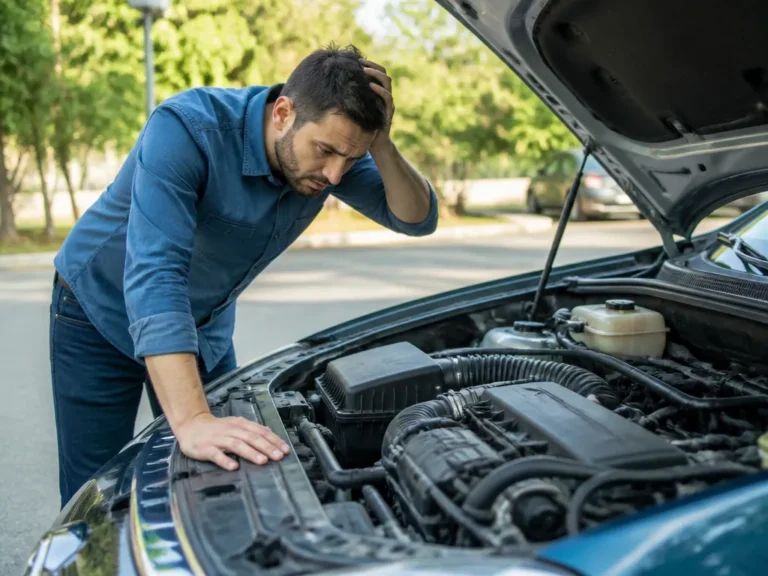
Car stuttering while accelerating with a check engine light usually means the engine is misfiring or receiving the wrong fuel-and-air mixture under load. The problem often appears when demand rises, such as during a merge or while climbing a hill. Scan for trouble codes first, then check misfire data, fuel pressure, spark and ignition components, and intake air leaks.
Misfire, fuel starvation, and airflow problems are the most common causes. If the car runs roughly with a flashing check engine light or loses power, treat the problem as urgent.
First Steps When the Engine Stutters
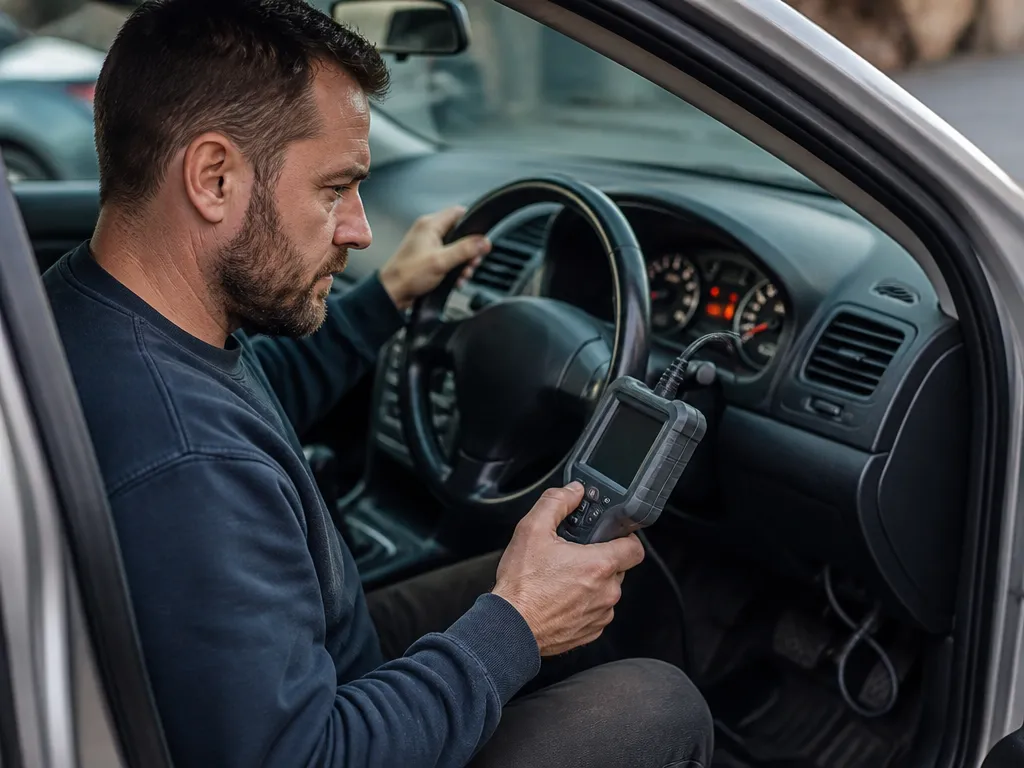
- Scan first. Pull the code(s) with an OBD-II scanner before replacing anything.
- Prioritize misfire. Misfire codes and RPM drops under load point to ignition or fuel delivery.
- Check fuel pressure. Low pressure during acceleration is a common stutter trigger.
- Inspect ignition parts. Coils, plug gaps, and plug wires (if equipped) can cause load misfires.
- Look for air leaks. Vacuum leaks and dirty throttle bodies can make the mixture swing.
- Verify the fix. Clear codes, repeat the road test, then confirm readiness and stable running.
Why a Car Stutters Under Acceleration With the Check Engine Light On

A stutter under acceleration with the check engine light on usually comes from an engine “miss” or an unstable air-fuel mixture when the load increases. The timing matters: if the problem appears mainly when you press the pedal, focus on faults that show up with higher demand, such as weak ignition, low fuel pressure, or air leaks.
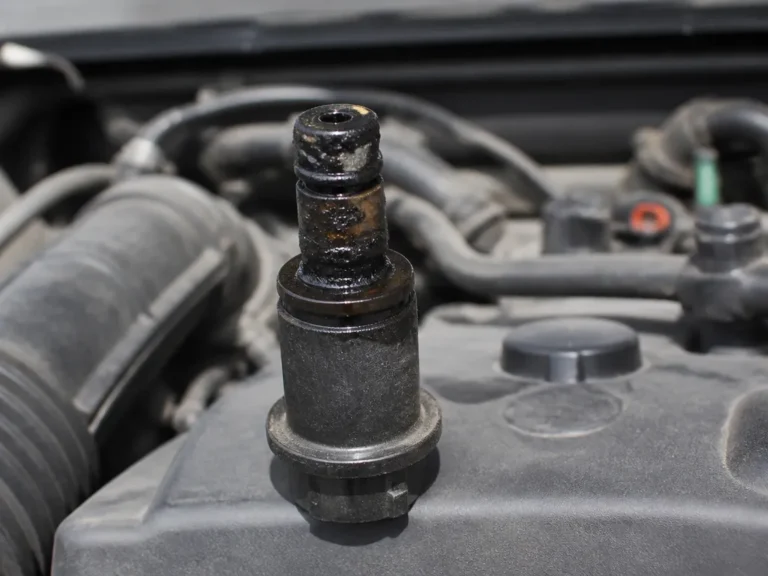
Misfire is the most common category, even if the engine feels smooth at idle. Bad spark plugs, ignition coils, or plug wires can interrupt combustion. Fuel delivery problems can come from a clogged filter, weak pump, failing regulator, or leaking injector. Air-metering faults can involve a mass airflow sensor, dirty throttle body, or vacuum leak.
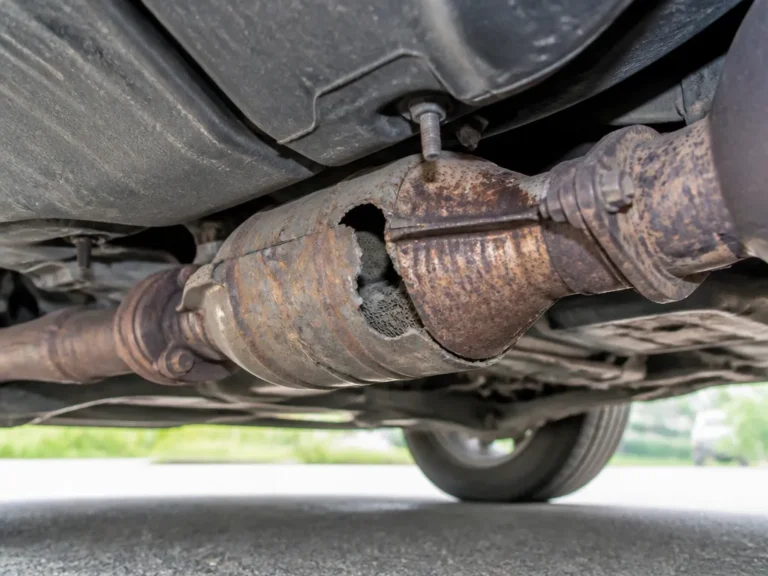
Other possibilities include timing problems, clogged intake components, contaminated fuel, and sensors that make the engine correct the mixture improperly, including oxygen or intake air temperature sensors. If the stutter is severe, comes with hesitation and popping, or worsens quickly, stop driving it. Misfires can overheat the catalytic converter, especially when the engine runs lean or misfires under load.
A failing fuel pump may let the car start and idle normally, then lose pressure during acceleration. A vacuum leak may be mild at idle but alter the mixture enough to trigger misfire counts and a code when you open the throttle.
How to Diagnose Misfire, Fuel, and Air Problems
Start with the scan tool, then use the symptoms to choose which system to test first. An OBD-II scan should include freeze-frame information – engine load, RPM, and operating conditions – plus live data if the scanner supports it. If misfire counters increase while you reproduce the stutter, you have narrowed the problem to a specific operating condition.
Reproduce the problem safely and note exactly when it occurs: during low-RPM acceleration, in the middle of a transmission shift, on a hard merge, or only after the engine warms up. An “engine skipping” sensation usually suggests a misfire, while a “bogging” sensation more often points to fuel pressure or air metering. A flashing check engine light requires urgent attention; avoid extended driving.
Use the symptoms to separate the three main diagnostic paths:
- Misfire diagnosis focuses on ignition and compression-related faults.
- Fuel diagnosis focuses on pressure stability under load and injector performance.
- Air diagnosis focuses on intake leaks and airflow or throttle control.
Check the easiest, highest-signal items first. Confirm that the spark plugs are the correct type and have the correct gap for the engine. Inspect ignition coils for cracks and corrosion. If the car recently received plugs, coils, intake cleaning, or a MAF replacement, check the related connectors and hoses before buying parts. A loose connection can create both stuttering and trouble codes.
Avoid replacing parts based on a code alone. Swapping components can help if you have a known-good spare coil or plug set, but confirm that the code clears and the misfire counters stop increasing during a road test.
Trouble Codes That Match Stuttering Under Load
Acceleration stutter most often involves misfire codes, along with fuel and air-system codes that appear under load. Read the full code rather than treating every P0xxx code the same way. The code family usually indicates whether to start with ignition, fuel, or airflow.
| Trouble Code (Family) | What It Usually Means | Most Likely Stutter Cause |
|---|---|---|
| P0300 | Random/multiple misfires | Coil/plug issues, fuel pressure instability |
| P0301-P0312 | Cylinder-specific misfire | One bad coil, plug, injector, wiring, or compression issue |
| P0171 / P0174 | Fuel trims lean | Vacuum leak, MAF/airflow issues, low fuel pressure |
| P0172 / P0175 | Fuel trims rich | Stuck injector, fuel pressure too high, sensor issues |
| P0455 (and evap leaks) | Large EVAP leak detected | Can cause roughness in some cases, often also affects trims |
| P0087 | Fuel rail/system pressure too low | Fuel pump weakness, clogged filter, regulator/injector leaks |
| P0303/P0304 etc | Misfire on specific cylinders | Confirm ignition components by cylinder, then fuel injector by cylinder |
| P0100-P0104 | MAF circuit issues | Dirty MAF, wiring, intake leaks, incorrect airflow reading |
| P0120-P0122 | Throttle position sensor issues | Throttle control problems causing hesitation/stutter |
Look for patterns in the misfire data. Repeated misfires on the same cylinders often point to the coils, plugs, or wiring for those cylinders. Random misfires, such as P0300, combined with lean codes such as P0171/P0174, make fuel pressure or an air leak more likely than a single ignition component.
Fuel pressure codes such as P0087 move the diagnosis toward fuel delivery. Measure pressure and inspect the pump and filter. MAF-related air codes require electrical and intake checks; replacing the sensor without checking for leaks or damaged wiring wastes time and money.
Why the Car Can Stall With No Stored Codes

A car can stutter or stall with the check engine light on but no stored code if the fault is intermittent, occurs too quickly for the ECU to record, or does not appear in the module your scan tool checked.
Common causes include:
- Intermittent misfires or power drops that occur only under a specific condition.
- Limited scanner coverage. Some cars require checking multiple modules, pending codes, and freeze-frame data.
- Low-voltage events from a weak battery or failing alternator, which can reset systems without leaving a clear code.
- Crankshaft or camshaft sensor and wiring faults that may not store codes every time, especially if the engine stalls before the ECU logs the event.
- Immobilizer or security interruptions that cut fuel or spark, depending on the system design.
If the light is on but the scanner shows no code, check battery voltage, grounds, and fuses for the ignition and fuel systems. Inspect connectors around heat-exposed components, including coil packs, alternator wiring, and the intake manifold area.
A failing ground strap can cause random stumbles under load. The ECU may record fuel-trim changes, then clear them or fail to store a definitive code before the next restart. If you can reproduce the stall, record the exact conditions and capture freeze-frame data when possible. Even one freeze-frame record can show whether the event occurred at high load, low RPM, or during a throttle transition.
If the engine stalls immediately whenever you accelerate, stop testing on public roads. A rolling stall caused by a fuel or spark fault is a safety problem.
How to Test Fuel Pressure, Spark, and Airflow Safely
Fuel, spark, and airflow tests replace guesswork with measurements, but each carries risks. Pressurized gasoline can spray during a fuel test. Incorrect spark testing can damage ignition components. Airflow readings can also mislead you if the engine is not at the correct operating temperature and condition.
Prepare before testing:
- Use the correct service information for the engine’s pressure specification and test-port location.
- Wear eye protection.
- Keep ignition sources away from fuel lines.
- Never open high-pressure lines without relieving pressure according to the vehicle procedure.
Fuel pressure: Look for stable pressure, not merely a normal idle reading. A weak pump may maintain pressure at idle, then drop it as soon as you accelerate, causing lean misfires and hesitation. Pressure that is too high can create rich conditions, black smoke, and rough running. If pressure falls outside the specification, fuel delivery is more likely than ignition.
Spark and ignition: With cylinder-specific misfire codes, inspect and test the affected cylinder. If the engine design allows it, swap coil packs between cylinders, provided the procedure can be performed without causing damage. If the misfire moves with the coil, the coil is the likely fault. If the misfire remains on the same cylinder, inspect the plug, wiring, injector, and compression.
Airflow and intake: Air leaks can become more noticeable during acceleration as manifold vacuum changes quickly. A smoke test is the cleanest way to locate intake leaks. Without a smoke machine, inspect vacuum hoses, PCV connections, and the intake boot for cracks or loose clamps. Check for a dirty throttle body or throttle plate that sticks. MAF contamination can also distort airflow readings, so compare live MAF data with expected behavior if the scanner displays it.
After testing, check the basic items that are easy to overlook: loose grounds, disconnected vacuum lines, and damaged wiring insulation. Electrical faults can imitate sensor failures and make fuel-mixture control unstable.
Repairs That Match the Stutter’s Cause
The correct repair depends on what the tests identify. Replacing parts without confirming the failure mode often means paying twice.
- Ignition repairs. Replace spark plugs at the correct interval and replace faulty ignition coils or plug wires (if equipped). For cylinder-specific misfires, start with the ignition components serving that cylinder.
- Fuel delivery repairs. Replace a clogged fuel filter, weak fuel pump, or failing fuel pressure regulator when pressure tests confirm the problem. Pressure that drops during acceleration points toward fuel delivery.
- Air leak and intake repairs. Repair vacuum leaks, replace cracked intake boots, and clean the throttle body if it causes poor throttle response. A smoke test can prevent unnecessary parts replacement.
- MAF and sensor repairs. Clean a contaminated MAF when the vehicle system and manufacturer guidance allow it, then repair wiring faults. Replace the sensor only after confirming that it reads incorrectly rather than responding to an intake leak or wiring problem.
- Injector repairs. A stuck injector can create rich conditions and misfires. Diagnosis may require checking fuel-pressure behavior, performing an injector balance test if available, or using professional injector service when the problem continues.
- Electrical grounds and battery/charging repairs. Voltage dips can disrupt ignition and fuel control. Repair corroded grounds, tighten connections, and address a weak battery or failing alternator before replacing expensive components.
Suppose the scan shows random misfires and lean codes during acceleration, while fuel pressure is stable at idle but drops when you reproduce the stutter. The fuel system – pump, filter, or regulator – becomes the first target. If misfire counters rise on one cylinder and follow a swapped coil pack, replace or repair the ignition component.
When stalling occurs without stored codes, the repair may be electrical: a failing battery, poor ground, or damaged connector. Measure voltage under load and check for ECU reset behavior before assuming the problem is a sensor.
How to Confirm the Repair Worked
A successful repair should restore stable running under the same conditions that originally caused the stutter. Starting the car once without a warning light is not enough.
After the repair:
- Clear the codes and perform a test drive that recreates the original trigger: acceleration from low RPM, a highway merge, and a hill if possible.
- Watch live misfire counts if the scanner supports them, or confirm that the original hesitation and rough running do not return.
- Confirm that fuel trims stabilize and the engine responds normally to throttle changes.
- Re-scan for pending codes as well as stored codes.
Prevent a repeat failure with routine attention to the systems involved:
- Use the correct spark plugs for the engine and replace them on schedule.
- Check intake hoses after service, especially clamps and vacuum lines.
- Keep air filters clean and avoid aftermarket filters that do not seal properly.
- Use fresh fuel and address suspected contaminated fuel quickly. A stutter that begins right after a fill-up is useful diagnostic information.
- If the car has had fuel-pressure problems, respond to warning signs such as long crank times or a fuel smell.
The repair is holding when the check engine light stays off and the same acceleration maneuver no longer causes misfires or hesitation. If a small stumble remains, stop and re-scan. A loose electrical connection, incomplete sensor adaptation, or remaining vacuum leak may still be present.
FAQ
What’s the most common cause of stuttering when accelerating with a check engine light?
Misfire or an unstable air-fuel mixture is most common. Look for misfire code families such as P0300 or cylinder-specific P0301-P0312, and check whether misfires increase during the stutter. Lean codes such as P0171/P0174 often point to a fuel-pressure drop or air leak.
Can I drive my car if it stutters and the check engine light is on?
If the check engine light is steady and the car runs normally apart from the stutter, a short trip for diagnosis may be reasonable. If the light is flashing, treat the problem as urgent and avoid extended driving because misfires can overheat the catalytic converter. If the car is stalling, towing or immediate repair is safer than continued driving.
How long should it take to diagnose the issue?
A practical diagnosis often takes 30 minutes to a couple of hours once you scan for codes and reproduce the symptom. Fuel-pressure testing, smoke testing for leaks, and ignition checks can add time. Intermittent faults may take longer, especially when they appear only after heat soak or at specific throttle angles.
How do I test for a vacuum leak causing stutter?
Use a smoke test if possible because it can locate leaks in minutes. Without smoke, inspect vacuum hoses, the PCV system, and intake boots for cracks or loose clamps. Check the throttle-body area for sticking. After repairs, clear the codes and repeat the acceleration test to confirm that the stutter is gone.
Could a failing fuel pump cause stuttering without obvious misfire codes?
Yes. Low fuel pressure can cause stuttering and drivability problems before the ECU logs a clear misfire code. A code such as P0087 for fuel pressure too low, or lean trim codes such as P0171, points toward fuel delivery. Measuring fuel pressure under load is the deciding test.

- 10 Best Jack For F250 Super Duty Review (October 2026) - October 12, 2026
- 10 Best Jack For Flat Tire Review (October 2026) - October 12, 2026
- 10 Best Jack For Ford Transit Review (October 2026) - October 12, 2026